Threshold
Fall 2026 · Volume 1 · Issue 1
PDF
Aging In The Comfort Of Home® logo

Fall 2026
Volume 1 · Issue 1

The aging-in-place quarterly

Threshold The aging-in-place quarterly, Fall 2026

Cover story

The Readiness Gap

Three in four adults 50 and older want to stay in their homes. The most recent national count, from 2011, found fewer than 4 in 100 homes with the three basics that make staying home easier.

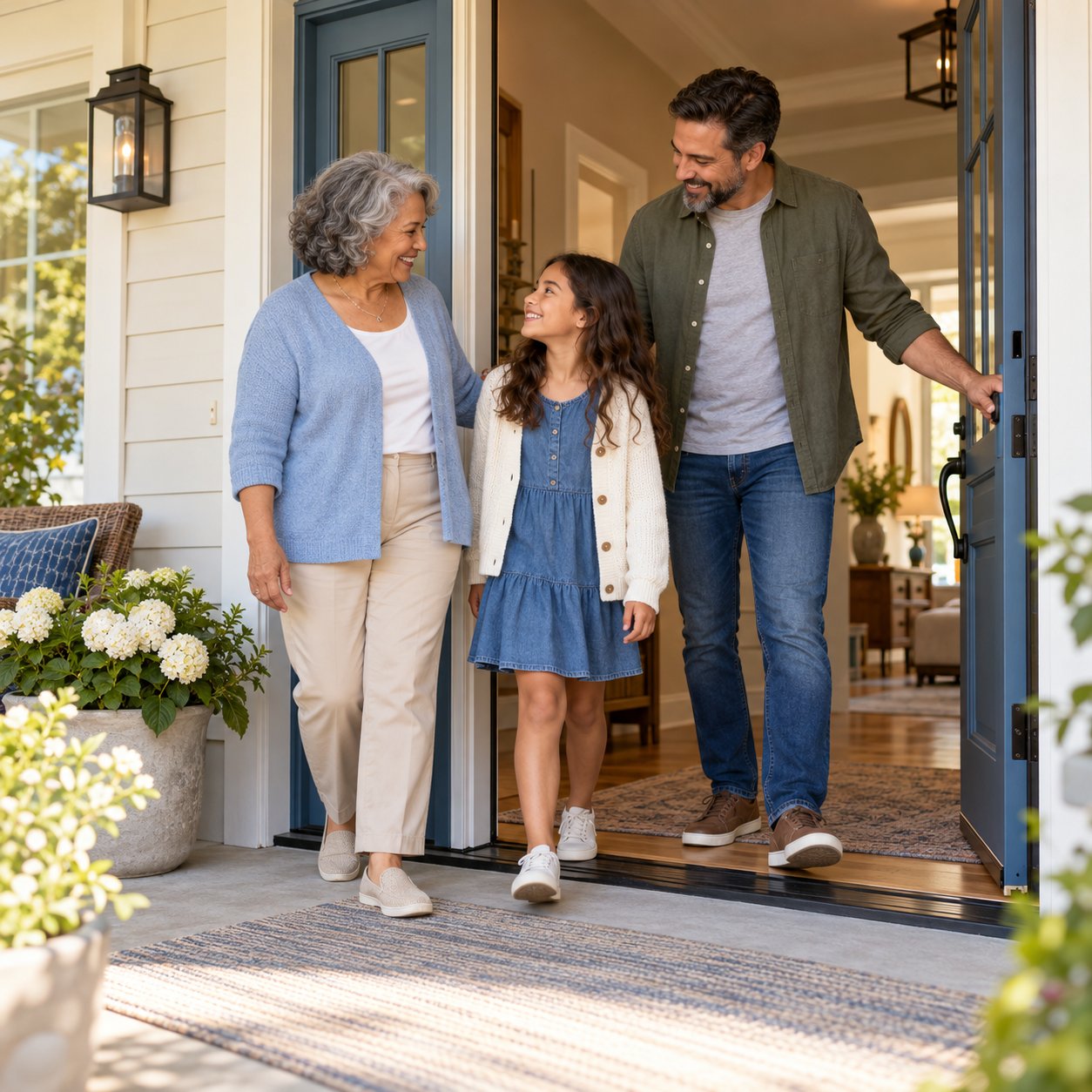
Three generations of a family stepping out through a wide front door with no step at the threshold. A dashed circle marks the 60-inch turning circle a wheelchair needs.

Threshold is published each quarter by Aging In The Comfort Of Home® for homeowners, families and the people who build for them.

Published byAITCOH™Data throughSept. 16, 2026MagazineThresholdIssueFall 2026Sheet01 / 18
ContentsThreshold · Fall 2026

In this issue

Eighteen pages on the policy, money and craft of staying home. Read the issue in one sitting, or keep it on the counter.

How to read it

  • Every figure inside carries its source at the foot of its page. The cover's figures are sourced on pages 4, 8 and 12.
  • Data is current through Sept. 16, 2026.
  • Online, select a title to jump to it, or use the arrow keys to turn pages.

Department colors

News, the cover story and the field guide
The Pro Desk, for remodelers and builders
The Family Desk, for households planning together
Linen pages are made to print and keep

MagazineThresholdIssueFall 2026Sheet02 / 18
From the Front DoorThreshold · Fall 2026

Editor's letter

Why a builder publishes a magazine

The conversation about staying home usually starts in the wrong room: a hospital discharge office, or a kitchen table the week after a fall, when every decision has to be made at once. Our crews also see the calmer version. A family adds wood blocking behind the bathroom drywall during an ordinary remodel, and years later a grab bar takes one afternoon to install.

Threshold exists to make the calmer version more common. Aging In The Comfort Of Home® has been a remodeling and construction company since 2008, and aging in place is our specialty. The questions we hear keep getting more specific: which clearances matter, what the new Medicaid rules change, whether a sensor is worth the subscription, and who helps pay.

Each issue follows the same plan, so you always know where to look. The front of the book covers the numbers, the news and the policy calendar. The middle is a field guide: the trends, the technology, one room measured to scale, a weekend checklist and the money. The back holds two desks, one for the professionals who do this work and one for families deciding together.

Every figure carries its source on the page where it appears. Where sources disagree, we say so, and where a number is our own arithmetic, we show the math. The goal is a magazine you can hand to a parent, a partner, a contractor or a lender, and have each of them trust it.

Thank you for reading the first issue. Tell us which room you want measured next.

The Threshold editorsAging In The Comfort Of Home® · Ozark, Missouri
MagazineThresholdIssueFall 2026Sheet03 / 18
By the NumbersThreshold · Fall 2026

The numbers behind staying home

Ten figures that explain why demand for aging-in-place work keeps growing, and where the supply is still thin.

64.6M

people in the U.S. were 65 and older in 2025, up 16.2 percent since April 2020 and nearly one in five residents.

Americans 65 and older, July 1, 2025
4.18MAmericans turned 65 in 2025About 11,400 a day at the high point of the Peak 65 waveAlliance for Lifetime Income
2029Adults 65+ projected to outnumber childrenCensus main-series projectionU.S. Census Bureau
75%of adults 50+ want to stay in their current home73% want to stay in their communityAARP, 2024
<4%of homes had single-floor living, a no-step entry, and wide halls and doorwaysLatest national count, 2011Harvard JCHS
4.5Memergency visits for falls by adults 65+ in 2024More than one in four older adults fall each yearCDC
$14.92Tin housing wealth held by owners 62+A record, first quarter of 2026NRMLA and RiskSpan
63Mfamily caregivers in the U.S.Unpaid care worth $1.01 trillion in 2024, from a separate AARP count of 59 million caregiversAARP
$6,200median monthly cost of assisted living2025; in-home care at 44 hours a week: $6,673CareScout
56%of remodelers do aging-in-place workLowest share since NAHB began asking in 2004NAHB, 2025
The ChartThreshold · Fall 2026

Older adults will soon outnumber children

The Census Bureau's projections put the crossing point in 2029, and the distance between the lines keeps growing through 2060.

Projected U.S. population, adults 65+ and children under 18, millions

Projected U.S. population, adults 65+ and children under 18, millions

In 2060: 88.8 million adults 65+ and 64.3 million children under 18.

Projected U.S. population, adults 65+ and children under 18, millions
YearAdults 65+Children under 18
202563.370.9
203071.269.1
203575.867.9
204078.367.7
204579.867.4
205082.166.5
205585.165.3
206088.864.3
Census Bureau 2023 National Population Projections, main series. The series starts from a 2022 base, so its 2025 value (63.3 million) sits below the Vintage 2025 estimate of 64.6 million.

Growth by age band, 2020 to 2025

Growth by age band, 2020 to 202565 to 69+8.6%70 to 74+12.5%75 to 79+29.6%80 to 84+24.0%85 and older+11.4%
Growth by age band, 2020 to 2025
CategoryGrowth, 2020 to 2025
65 to 69+8.6%
70 to 74+12.5%
75 to 79+29.6%
80 to 84+24.0%
85 and older+11.4%
Census Vintage 2025 estimates for July 1, 2020 and 2025; growth calculated by Threshold.

What it means for a house

People in their late 70s are the fastest-growing group. The first baby boomers turned 75 in 2021, and the 75 to 79 group grew nearly 30 percent in five years.

Nearly four in five own their homes. Among householders 65 and older, 78.6 percent owned in the second quarter of 2026, the highest rate of any age group.

Their houses are older too. Homes owned by people 75 and older have a median build year of 1974, against 1980 for all homeowners.

More than one in four lives alone. In 2023, about 16.2 million adults 65 and older living in the community, or 28 percent, lived by themselves.

The BriefingThreshold · Fall 2026

The summer in eight stories

What moved in housing, care and technology from mid-July to mid-September, with our read on each.

Sept. 15, 2026

Medicare widens its tech-enabled care model

CMS will add tracks to its 10-year ACCESS model in spring 2027, including heart failure, COPD and longer support for bone, joint and muscle pain. The model launched with 160 participating organizations, and payment follows measured results.

Our takeMedicare is testing payment tied to health results for chronic care delivered at home. The announcement names no home changes, so safe floors, rails and lighting are still the household's job.

Sept. 14, 2026

Addus agrees to buy AccentCare's personal care business

The roughly $275 million deal covers about 13,700 clients in 10 states and still needs regulatory approval.

Our takeHome care keeps consolidating. Families with an affected agency should ask how schedules and caregivers carry over.

Sept. 9, 2026

Apple plans balance and strength checks at home

A redesigned Health app, due later this year, adds at-home balance, strength and flexibility assessments using the iPhone camera and Apple Watch. Apple Watch Series 12, in stores Sept. 18, keeps Fall Detection and Emergency SOS.

Our takeA score can flag risk earlier. Treat it as a prompt to see a clinician and walk the house, never as a diagnosis.

Sept. 3, 2026

Another adult bed rail recall

About 2,200 Loyoda rails were recalled for entrapment risk, the fourth adult bed rail recall since mid-July. CPSC's 2026 notices for these rails all list Amazon as a seller.

Our takeLook up the brand and model at cpsc.gov before installing any bed rail.

Sept. 1, 2026

Stopgap keeps aging programs funded to Dec. 11

Congress passed a continuing resolution that holds federal programs, including Older Americans Act services, at fiscal 2026 levels through Dec. 11.

Our takeLocal Area Agencies on Aging can keep repair programs running for now. Full-year decisions come after the November elections.

Aug. 6, 2026

1.77 million attic ladders recalled

Louisville Ladder recalled attic stairway ladders with gas struts, sold under the Louisville, Featherlite, Lite and Century brands from November 2012 to July 2026, because bolts can break during use. Owners get a free repair kit.

Our takeAttic stairs are a fall risk at any age. Check the label, and order the kit if yours is listed.

Aug. 5, 2026

Poor housing linked to more falls

A PLOS One study using data from England found adults 65 and older in homes with poor lighting, electrical or plumbing problems, or too little space were more likely to fall.

Our takeThe data comes from England, but the lesson travels. Better lighting is one of the simplest fixes in any house.

July 20, 2026

Senior housing fills up

Occupancy in NIC's 31 primary markets reached 89.9 percent in the second quarter, the highest since late 2015, while inventory grew less than 1 percent for a fifth straight quarter.

Our takeWhen community apartments are scarce, more people stay home longer, and the house has to carry the load.

Policy WatchThreshold · Fall 2026

Where the rules stand

The federal decisions that shape who pays for help at home, tracked to Sept. 16, 2026.

Program or ruleStatusWhat it means at homeKey date
Medicaid work requirementsStarts soonExpansion adults 19 to 64 need 80 hours a month of work, school or service. People with disabilities and the medically frail are exempt.Jan. 1, 2027
Medicaid provider-tax limitsPhasing inFrozen since July 2025, with the cap for expansion states stepping down each year. Most Medicaid home care is optional for states, so budget pressure tends to land there.From Oct. 1, 2027
New Medicaid HCBS waiver optionScheduledStates may offer home and community-based services (HCBS) to people who do not yet need nursing-home-level care.July 1, 2028
Medicare Advantage for 2027FinalPayments rise 2.48 percent. Plans must publish who qualifies for special supplemental benefits.Jan. 1, 2027
Medicare home health pay for 2027ProposedCMS proposed a net 2.4 percent increase that already includes a temporary 3 percent cut; MedPAC said a larger cut would not hurt access. A final rule usually arrives in November.Final rule this fall
Hospital-at-home waiverIn effectHospitals can treat Medicare patients at home. Those homes need safe entries and bathrooms on day one.Through Sept. 30, 2030
Medicare telehealth flexibilitiesIn effectVideo and audio-only visits from home continue.Through Dec. 31, 2027
Older Americans Act reauthorizationIn the HouseCovers Area Agencies on Aging, which pay for local home repair and caregiver support. The authorization expired in 2024; Congress still funds the programs.Senate passed July 14
Aging program fundingStopgapHeld at fiscal 2026 levels. The House committee's 2027 bill level-funds core aging programs.Through Dec. 11, 2026
Home accessibility tax creditsProposedBills would give people 60 and older up to $10,000 a year for ramps, grab bars and wider doors. None is law.In committee

What to watch this fall

  • Medicare open enrollment, Oct. 15 to Dec. 7: compare in-home and bathroom safety benefits.
  • The final 2027 home health payment rule, and HUD's home modification awards.
  • Full-year federal funding before the Dec. 11 deadline.
Cover StoryThreshold · Fall 2026

The Readiness Gap

Americans have decided where they want to grow older. Most of their houses were built before anyone asked. Here is where the distance comes from, and how families and builders can close it.

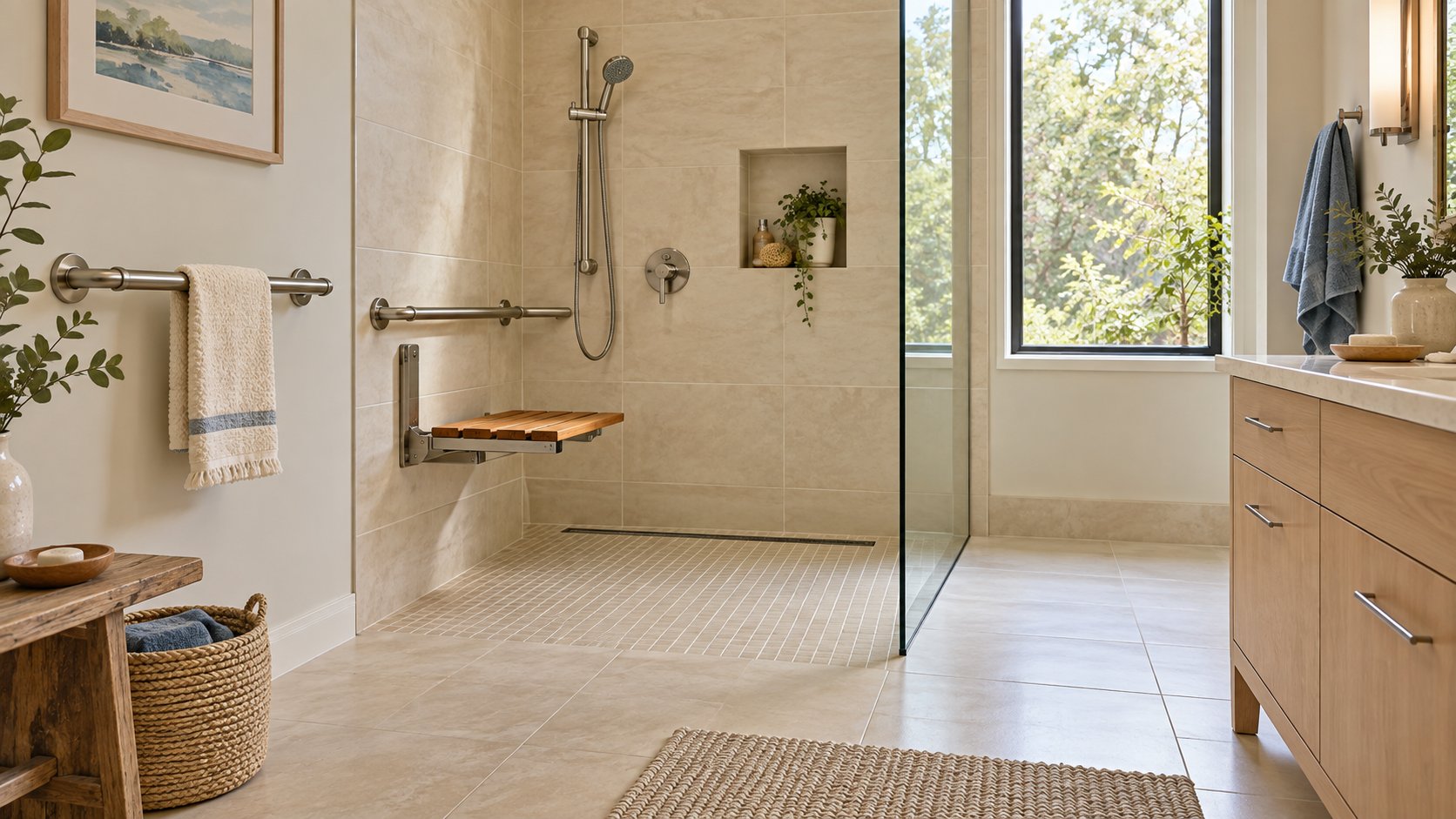
A curbless shower with a fold-down teak seat, a grab bar and a linear drain in a bright, tiled bathroom.
Details like a curbless entry and blocking inside the wall are easiest to add during a planned remodel.

Ask adults 50 and older where they want to live as they age and the answer barely moves: 75 percent want to stay in their current home and 73 percent want to stay in their community, according to AARP's 2024 survey. The preference is not limited to retirees. Among all adults, 60 percent say the same.

The houses have not kept pace. The last national count, from the 2011 American Housing Survey, found fewer than 4 percent of homes with all three basics for living with limited mobility: single-floor living, a no-step entry, and wide halls and doorways.

Age explains part of the gap. The median owner-occupied home was 42 years old in 2024, and homes owned by people 75 and older have a median build year of 1974. About 22 million households live in homes built before 1960, and those owners spend about $6,000 a year on repairs and improvements, against $4,500 for homes built since 2010.

The need is already recognized. Forty-three percent of adults 50 and older say they need structural changes so they can move around their home easily and safely. Homeowners are acting on it: in Houzz's 2025 bathroom study, 68 percent of homeowners renovating a bathroom considered special needs, and nearly half of those were planning for the future needs of aging household members.

Sources AARP, 2024 Home and Community Preferences Survey (December 10, 2024); AARP Research, Home and Community Preferences 2024 (December 2024, updated November 21, 2025); Harvard JCHS, Housing America's Older Adults 2023 (November 30, 2023, revised April 4, 2024); NAHB, How old is today's housing stock? (March 26, 2026); Administration for Community Living, 2023 Profile of Older Americans (May 2024); The MortgagePoint, Harvard JCHS on aging housing stock (July 20, 2026); AARP, Creating Homes and Communities for Aging Well (March 2025); Houzz, 2025 U.S. Bathroom Trends Study (September 23, 2025)

MagazineThresholdIssueFall 2026Sheet08 / 18
Cover StoryThreshold · Fall 2026

The Readiness Gap, continued

Measuring the distance

75%

of adults 50+ want to stay in their current home

<4%

of homes had all three accessibility basics

Two different measures, people and houses, set side by side on rulers of 100 marks. The second is drawn at its 4 percent ceiling.

The work concentrates in two rooms. When adults 50 and older name the changes they would make, bathroom upgrades such as grab bars and slip-resistant tile lead at 72 percent, followed by easier entry and movement at 71 percent. Remodelers see the same pattern: among those doing aging-in-place work, 87 percent installed grab bars and 78 percent built curbless showers.

A smaller share of remodelers does the work. In NAHB's early-2025 survey, only 56 percent of remodelers said they take on aging-in-place projects, the lowest share since NAHB began asking in 2004, while 73 percent saw requests rise over five years. Ask any contractor you interview how many aging-in-place projects they finished last year.

Planning ahead is already normal. Planning for future needs is the most common reason clients take on aging-in-place work, cited by 91 percent of remodelers.

The math favors doing it once. Take an example $15,000 bathroom and entry project. By our arithmetic, the 2025 assisted living median of $6,200 a month comes to about $1,430 a week, so the project equals roughly 10 weeks of assisted living. Modifications can remove many of the hazards that make a move feel necessary. Care decisions stay with the family and its physician.

Ask any contractor you interview how many aging-in-place projects they finished last year.

Three moves that close the gap

  • Measure before you remodel. A room-by-room evaluation turns a worry into a priority list.
  • Add blocking now, bars later. Wood backing in bathroom walls is simple to add while walls are open.
  • Start with the bathroom and the entry. Bathroom work leads both the changes adults 50 and older would make and the jobs remodelers report, and easier entry is a close second on the first list.

The three basics

Single-floor living

A bedroom and a full bathroom on the entry level, so stairs become optional.

A no-step entry

At least one way in without steps, using grading, a gentle slope or a ramp.

Wide halls and doorways

Room for a walker, a wheelchair or a moving dolly. Doors with 32 inches of clear width are the common reference.

Sources AARP Research, Home and Community Preferences 2024 (December 2024, updated November 21, 2025); NAHB, Remodeling Market Index special questions, Q1 2025 (May 28, 2025); CareScout, Cost of Care Survey 2025 (tables published March 2026); Harvard JCHS, Housing America's Older Adults 2023 (November 30, 2023, revised April 4, 2024); U.S. Access Board, 2010 ADA Standards for Accessible Design (2010, accessed September 2026)

MagazineThresholdIssueFall 2026Sheet09 / 18
Tech CheckThreshold · Fall 2026

Home technology, sorted by evidence

What is already established in real homes, what is getting close and what can wait.

Smartwatches

Established

Fall detection and emergency calling are standard. Apple Watch Series 12 keeps both. Samsung's Galaxy Watch ships with fall detection switched off, so turn it on in settings.

Apple Watch Series 12 starts at $399; Galaxy Watch9 at $379

Medical alert systems

Established

One button reaches a monitoring center. In the National Council on Aging's lab tests, its six top picks answered in 22 to 51 seconds on average, all under the one-minute mark it treats as acceptable.

Typically $20 to $60 a month; fall detection adds $5 to $12 a month

Night and motion lighting

Established

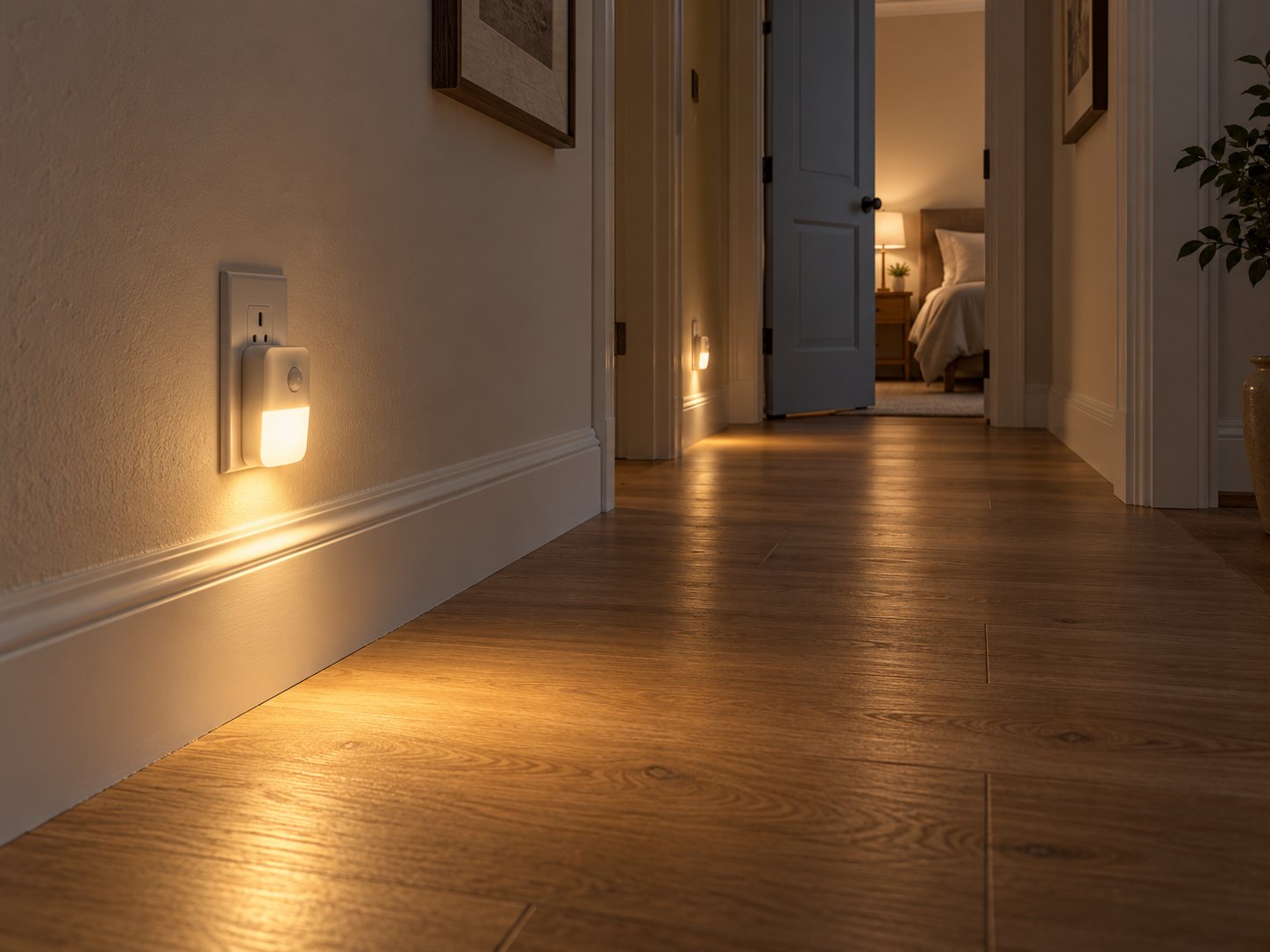
A night light on the path from bed to bathroom is on the CDC's home safety checklist, and the National Institute on Aging suggests plug-in motion-activated lights.

Voice assistants

Promising

Alexa+ is now open to all U.S. customers and free with Prime. Voice works best for reminders, calls and smart-home control without walking to a switch.

$19.99 a month without Prime

AI companions

Promising

ElliQ has multi-year public results: a 2026 report from its maker, posted by New York's aging office, says 94 percent of clients in the state program feel less lonely, with 834 enrolled by May 2025.

$39 to $59 a month plus a $249 start fee

Passive fall sensors

Promising

Passive monitoring is drawing money, including a $70 million round for Inspiren in September, but most systems still serve senior living communities rather than private homes.

Home robots

Wait and see

1X opened NEO preorders at $20,000 or $499 a month, with no verified customer deliveries as of September 2026.

A plug-in night light lighting the floor of a hallway at night, with a second light further along toward the bedroom.

Home tech by the numbers

90%of adults 50+ own a smartphoneAARP, 2026
50%of adults 50+ use at least one smart home deviceAARP, 2026
11%of all U.S. internet households have a smart lockParks Associates, 2026

Before you buy

  • Find the monthly fee and what stops working if you cancel.
  • Ask who answers an alert: a call center, a family member or no one.
  • Check what happens during a power or internet outage.
  • Buy alarms listed by a recognized testing lab. Two 2026 recalls pulled smoke alarms sold online.
Room by RoomThreshold · Fall 2026

The bathroom, measured

The clearances that make a bathroom work for a walker, a wheelchair or a bad knee, drawn to scale in an 8-by-8-foot room.

Swipe the drawing to see the side wall elevation.

Accessible bathroom plan and side-wall elevation with dimensionsPlan view shows a 60 inch turning circle, a 36 inch door with 32 inches of clear width that swings out, a toilet 16 to 18 inches from the side wall with a 42 inch side grab bar and a 36 inch rear grab bar, a vanity, and a 30 by 60 inch curbless shower with a linear drain. The elevation shows the grab bar 33 to 36 inches above the floor over wood blocking, a seat height of 17 to 19 inches, and a reach range of 15 to 48 inches.PLAN8 FT BY 8 FT ROOM, DRAWN TO SCALEVANITYCURBLESS SHOWER60"16-18"36" MIN42" MIN32" CLEAR30"60"12347SIDE WALL ELEVATIONWOOD BLOCKING INSIDE THE WALL33-36"17-19"12" MAX42" MIN15-48"REACH RANGE568
  1. Turning space, 60 in. Clear floor for a wheelchair to turn. Knee space under a vanity can count.
  2. Door, 32 in. clear. With the door open 90 degrees. Thresholds ½ in. at most; swing the door out.
  3. Toilet centerline, 16 to 18 in. Measured from the side wall, which keeps the side grab bar within reach.
  4. Grab bar lengths. Side wall: 42 in. or more, starting within 12 in. of the back wall and reaching 54 in. from it. Back wall: 36 in. or more, 12 in. past the toilet centerline on the wall side and 24 in. on the open side.
  5. Grab bar height, 33 to 36 in. To the top of a bar 1¼ to 2 in. thick, mounted 1½ in. off the wall and anchored into blocking, rated for 250 lb. of force.
  6. Seat height, 17 to 19 in. To the top of the seat. The standard allows 15 to 19 in. inside dwelling units.
  7. Curbless shower, 30 by 60 in. At least 30 by 60 in. inside, with the full 60 in. side open as the entry, a linear drain and no curb.
  8. Reach range, 15 to 48 in. Keep switches, controls and everyday storage in this band, and choose controls that work with one hand.

At the front door: ramp numbers

1:12Steepest slope: 1 in. of rise per foot of run
36 in.Minimum clear width
30 in.Most rise allowed in a single run
60 in.Minimum landing length
34 to 38 in.Handrail height, both sides, on runs rising more than 6 in.

Figures come from the 2010 ADA Standards for Accessible Design. They govern public buildings, not private homes, so treat them as a widely used reference, and have a specialist fit each number to the person using the room.

Sources U.S. Access Board, 2010 ADA Standards for Accessible Design (2010, accessed September 2026)

MagazineThresholdIssueFall 2026Sheet12 / 18
Field GuideThreshold · Fall 2026

The weekend fix list

Twelve jobs that make any home safer. Most take an afternoon and one trip to the hardware store; the box below flags the ones that need a pro.

Entry

Stairs

Bathroom

Bedroom

Kitchen

Whole house

How fast hot water burns

WaterThird-degree burn
150°FAbout 2 seconds
140°FAbout 6 seconds
130°FAbout 30 seconds
120°FPossible in 5 minutes

Adult exposure times published by CPSC.

When to call a pro

  • Grab bars and new handrails, which must anchor into studs or blocking
  • Any handrail that moves when you pull on it
  • Steps, thresholds or ramps at an entry
  • New light switches or any wiring
  • Water heater work beyond turning the dial

Numbers to keep handy

  • Eldercare Locator, call or text to find your Area Agency on Aging: 1-800-677-1116
  • Recall lookup: cpsc.gov/Recalls
  • Aging In The Comfort Of Home®: (417) 527-8786

Sources CDC, STEADI Check for Safety (2017 edition); National Institute on Aging, Preventing falls at home, room by room (reviewed September 12, 2022); NFPA, Smoke alarms (updated April 3, 2025); NFPA, Carbon monoxide (updated January 17, 2025); CPSC, Avoiding Tap Water Scalds (March 2012)

MagazineThresholdIssueFall 2026Sheet13 / 18
Money MattersThreshold · Fall 2026

What staying home costs, and who helps pay

2025 medians put Missouri and Arkansas below the national figure in every setting shown. The programs below can cover part of the cost of modifications.

Median monthly cost of care, 2025

Median monthly cost of care, 2025Assisted livingPrivate one-bedroomU.S.$6,200Missouri$5,400Arkansas$4,637In-home careNon-medical, 44 hours a weekU.S.$6,673Missouri$6,292Arkansas$4,767Nursing homeSemi-private roomU.S.$9,581Missouri$6,741Arkansas$7,452
Median monthly cost of care, 2025
SettingPlaceMonthly median
Assisted livingU.S.$6,200
Assisted livingMissouri$5,400
Assisted livingArkansas$4,637
In-home careU.S.$6,673
In-home careMissouri$6,292
In-home careArkansas$4,767
Nursing homeU.S.$9,581
Nursing homeMissouri$6,741
Nursing homeArkansas$7,452
CareScout Cost of Care Survey 2025, national and state medians. Nursing home values are annual medians divided by 12.
ProgramWho it servesWhat it can pay
USDA Section 504Very-low-income rural homeowners. Grants go to owners 62 and older who cannot repay a loan.Loans to $40,000 at 1% for 20 years; grants to $10,000
VA home improvement grant (HISA)Veterans who need medically necessary changes such as roll-in showers, ramps or wider entrancesUp to $6,800 lifetime (service-connected need or 50%+ rating); $2,000 otherwise
VA adapted housing grants (SAH and SHA)Veterans with qualifying service-connected disabilities$126,526 and $25,350 through Sept. 30; fiscal 2027 limits pending
Medicaid HCBS waiversEligible residents; every state in KFF's survey covers equipment or modifications in some programVaries; some waivers cap at $10,000 per five years
Missouri Show Me LoansMissourians with disabilities or age-related changes, and their families$500 to $15,000 at 2% to 4%
Rebuilding TogetherOlder adults and people with disabilities; Missouri affiliates are in Kansas City and St. LouisRepairs and modifications, by local rules
Weatherization AssistanceOwners and renters up to 200% of the poverty line; older adults get priorityEnergy-saving repairs
Reverse mortgage (HECM)Homeowners 62 and older with equityFHA limit of $1,249,125 in 2026

The break-even line

41 hours

At national medians, paid help at home costs less than assisted living up to about 41 hours a week; near 38 in Missouri and 43 in Arkansas. Our math: monthly assisted living median ÷ hourly home care rate ($35 U.S., $33 Missouri, $25 Arkansas) ÷ 4.33 weeks.

Where to start

  • Call or text the Eldercare Locator, 1-800-677-1116, to reach one of more than 600 Area Agencies on Aging.
  • Missourians: ask about a Show Me Loan at at.mo.gov.
  • Veterans: ask the VA about HISA before bathroom work.
The Pro DeskThreshold · Fall 2026

For remodelers and builders

Requests are rising. A smaller share of remodelers takes the work.

For builders with trained crews, availability is the edge in aging-in-place remodeling.

56%of remodelers did aging-in-place workQ1 2025, the lowest since NAHB began asking in 2004NAHB
73%saw requests rise over five yearsDown from 76% in 2023NAHB
96%say at least some clients know the conceptMost or some of their clients, Q1 2025NAHB
61Remodeling Market Index, Q2 2026Above 50 means more remodelers rate conditions good than poorNAHB
74%saw supplier price increases since MarchAveraging 6.7%NAHB, Q2 2026
349Knet new construction workers needed in 2026Mostly to replace retireesABC

What aging-in-place remodelers install, 2023 and 2025

What aging-in-place remodelers install, 2023 and 2025Grab bars93%87%Curbless showers83%78%Higher toilets77%71%Wider doorways63%52%
What aging-in-place remodelers install, 2023 and 2025
Category20232025
Grab bars93%87%
Curbless showers83%78%
Higher toilets77%71%
Wider doorways63%52%
Share of aging-in-place remodelers completing each project. All four fell from 2023, led by wider doorways, down 11 points. NAHB, Q1 2023 and Q1 2025.

Three moves for pros

Package the bathroom and the entry.

Adults 50 and older rank these changes first, and grab bars and curbless showers lead remodelers' installs. Price them as a unit and track how often estimates become jobs.

Compete on availability.

Nearly all remodelers (96 percent) say most or some clients already know the concept. The deciding question is who can start soon with a trained crew.

Meet the discharge planners.

The hospital-at-home waiver runs through 2030, PACE all-inclusive care programs have passed 200, and 60 percent of special needs plan members have a bathroom safety benefit. Introduce your company to discharge planners and plan care managers, and never pay anyone for a referral.

The market in three lines

  • Owners 65 and older accounted for 27 percent of 2023 home improvement spending, up from 14 percent two decades earlier.
  • In NAHB's second-quarter index, conditions for mid-size jobs ($20,000 to $49,999) rose 4 points while jobs of $50,000 and up fell 3.
  • Residential building materials cost 5.1 percent more in August than a year earlier, energy excluded.
The Family DeskThreshold · Fall 2026

For households planning together

The questions families ask first

Straight answers for the kitchen-table conversation, whether you are planning for a parent, a partner or yourself.

When is the right time to start?

Before a fall or a hospital stay sets the schedule. Planning ahead is the most common reason clients take on aging-in-place work, cited by 91 percent of remodelers. Any planned remodel is a good moment to add blocking for future grab bars and to choose wider doors.

Does Medicare pay for grab bars or bath seats?

Original Medicare does not: CMS lists grab bars, bath seats and raised toilet seats as not primarily medical. Some Medicare Advantage plans offer a bathroom safety benefit, reaching 21 percent of members in individual plans and 60 percent in special needs plans. Compare plans during open enrollment, Oct. 15 to Dec. 7.

What if a parent moves in with us?

Plan the house before moving day. Multigenerational purchases made up 14 percent of home purchases in NAR's 2025 profile, and caring for aging parents was the top reason, at 41 percent. Start with a step-free entry, a main-floor bedroom and a bathroom that works for both generations.

How do we bring it up with a parent?

Start with what they want, which is usually to stay put, and walk the house together with a checklist. Let them choose the finishes. Changes that read as good design, such as a curbless shower, are easier to agree on.

What does a home evaluation include?

In the C-Easy™ Safe Home Evaluation Program, a trained technician walks each room, including spaces like the bathroom on page 12, and documents what they observe. You get a Home Readiness Score, an ordered list of what to do first and a report the whole family can share.

An older man and his daughter at a kitchen table, working through a home safety checklist together.

Myth and fact

MythAging in place is only about older adults.

FactStep-free entries and wide doors help anyone recovering from surgery, pushing a stroller or moving furniture.

MythA fall is just bad luck.

FactThe CDC's home checklist targets the causes you can fix: loose rugs, dark stairs, missing rails and slick tubs.

MythModifications replace the need for care.

FactThey remove hazards and ease daily routines. Medical care is a separate decision, made with a physician.

63Mfamily caregiversAARP, 2025
27 hoursof care a week, on averageAARP, 2025
5.5 yearsaverage time spent caregivingAARP, 2025

Sources NAHB, Remodeling Market Index special questions, Q1 2025 (May 28, 2025); CMS, National Coverage Determination 280.1, DME reference list (version 4, effective June 9, 2025); KFF, Medicare Advantage in 2026: supplemental benefits (June 5, 2026); Medicare.gov, Medicare enrollment periods (accessed September 16, 2026); National Association of REALTORS, 2025 Profile of Home Buyers and Sellers (November 4, 2025); CDC, STEADI Check for Safety (2017 edition); AARP and National Alliance for Caregiving, Caregiving in the US 2025 (July 24, 2025)

MagazineThresholdIssueFall 2026Sheet16 / 18
The AlmanacThreshold · Fall 2026

Dates, terms and places to start

Keep this page for the season ahead.

Dates to know

September 2026

Sept. 21to 25

Falls Prevention Awareness WeekWalk the house with the fix list on page 13.

October 2026

Oct. 4to 10

Fire Prevention WeekTheme: charging batteries safely.

Oct. 14Wednesday

2027 Social Security COLA announcedForecasts sit near 3.5 percent.

Oct. 15to Dec. 7

Medicare open enrollmentCompare in-home and bathroom safety benefits.

November 2026

Nov. 1Sunday

Daylight saving time endsTest smoke and CO alarms as clocks change.

NovemberAll month

National Family Caregivers MonthAlso National Care at Home Month, Nov. 1 to 28.

December 2026

Dec. 11Friday

Federal stopgap funding endsDeadline for full-year spending decisions.

January to March 2027

Jan. 12027

New rules take effectStates must start Medicaid work requirements for adults 19 to 64 in the expansion group unless CMS grants more time; the Part D out-of-pocket cap rises to $2,400.

Jan. 1to March 31

Medicare Advantage open enrollmentOne chance for plan members to switch.

Jan. 6to 9

CES, Las VegasConsumer health technology on show.

Feb. 2to 4

Builders' Show and KBIS, Las VegasNAHB and NKBA's Design and Construction Week.

March 29to April 1

On Aging 2027, San DiegoThe American Society on Aging's conference.

Terms worth knowing

Aging in place
Living in the home and community you choose, safely and comfortably, as your needs change.
Blocking
Solid wood set between wall studs so grab bars and rails can be fastened securely later.
No-step entry
A way into the home with no steps, using grading, a gentle slope or a ramp. Also called a zero-step entry.
Curbless shower
A shower with no lip to step over; the floor slopes to the drain.
Comfort-height toilet
A toilet with a seat 17 to 19 inches above the floor.
HCBS
Home and community-based services: Medicaid-funded help at home, delivered through state programs.
Area Agency on Aging
A local agency, one of more than 600, that connects older adults with services, including home repair.
ADU
Accessory dwelling unit: a second, smaller home on the same lot.

Free and worth bookmarking

  • Eldercare Locator: eldercare.acl.gov or 1-800-677-1116
  • CDC STEADI: the Check for Safety home checklist
  • National Institute on Aging: preventing falls, room by room
  • Missouri Assistive Technology: at.mo.gov
  • The free 25-Point Safety Check: safetycheck.aitcoh.com
From the PublisherThreshold · Fall 2026
Aging In The Comfort Of Home® logo

C-Easy™ Safe Home Evaluation Program

Know what your home needs before you remodel

A trained technician walks every room, documents what matters and gives your family a clear, ordered plan.

Room-by-room safety reviewKitchen, bathroom, bedroom, entries, garage and outside, observed and documented.
Home Readiness ScoreOne clear score for where the home stands today and how it improves over time.
Priority improvement planA short, ordered list of what to do first, next and later.
Family-shareable reportWritten for the whole family, easy to forward and act on together.
Request a Home Safety Evaluation

$299 per visit. Or start with the free 25-Point Safety Check at safetycheck.aitcoh.com.

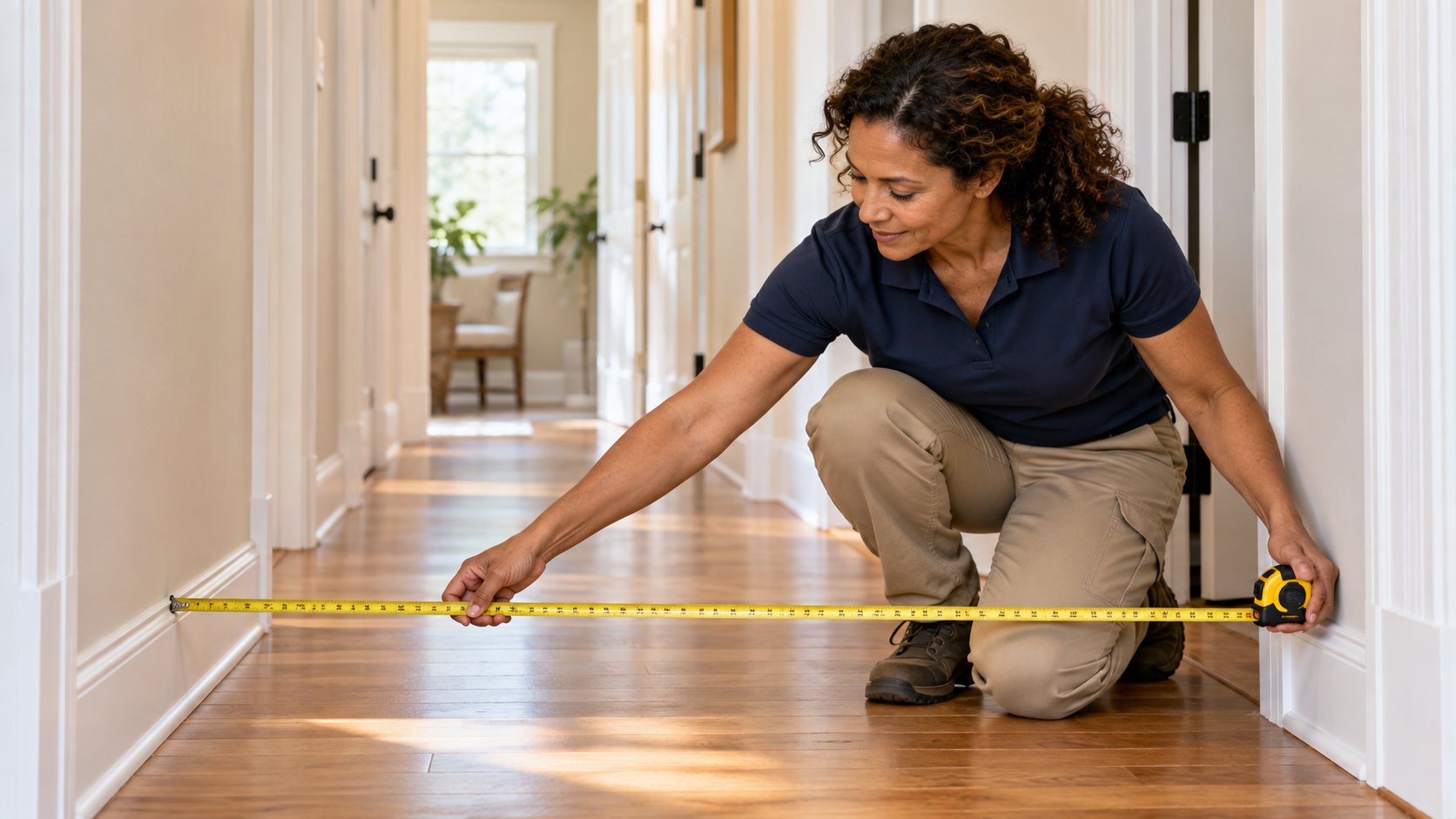
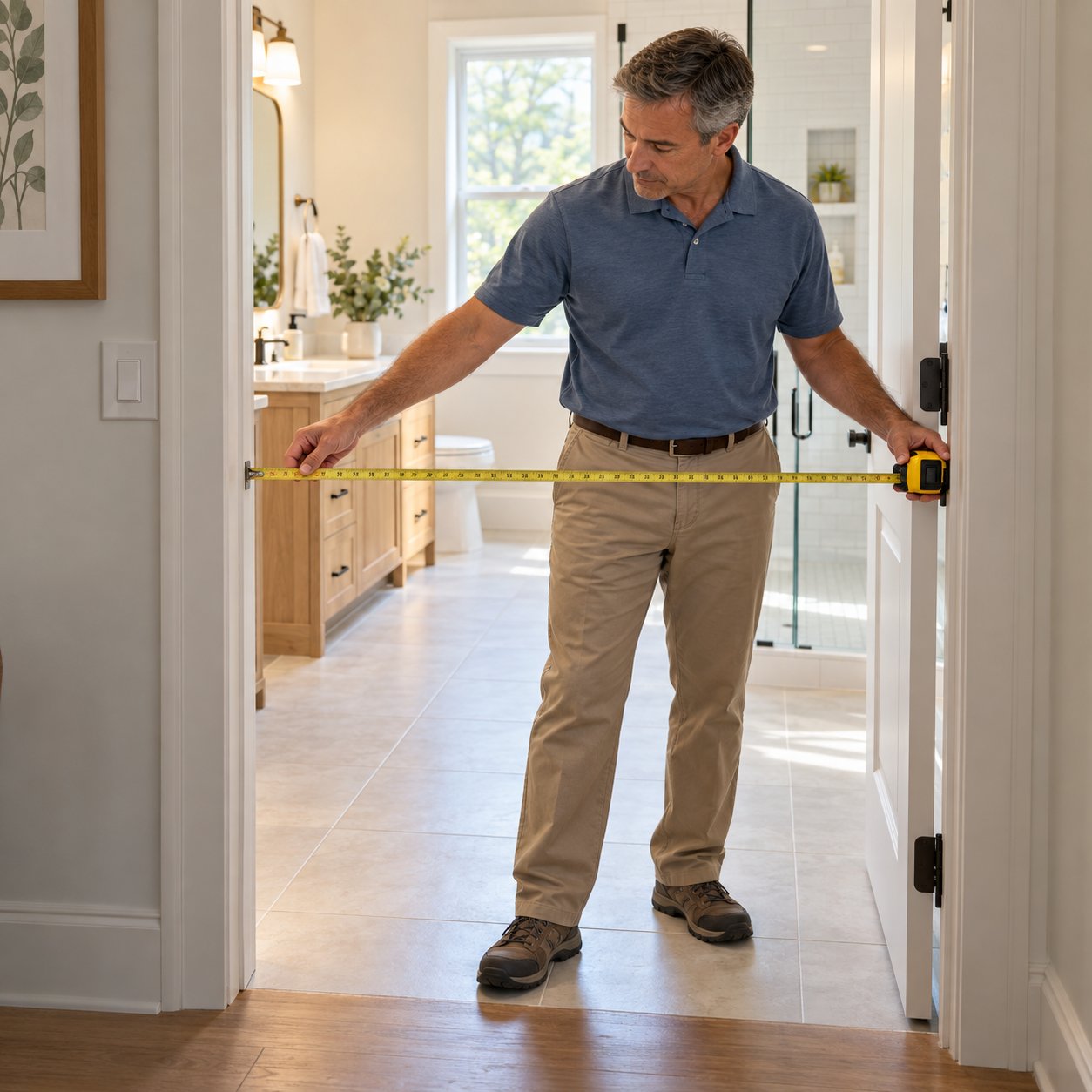
A technician measuring the clear width of a bathroom doorway with a tape measure.
(417) 527-8786aitcoh.com202 N. 2nd St., Ozark, MO 65721Serving Southwest Missouri and Northwest Arkansas

Coming in Winter 2027

  • Room by Room: the kitchen
  • Ice, entries and ramps
  • Medicaid's new work rules, explained

How it works

  1. Schedule the visitPick a time that works for the household.
  2. A technician walks the homeEach room is observed and documented.
  3. Findings are compiledObservations, optional photos and concerns in one record.
  4. Your report arrivesPriorities, recommendations and next steps.

© 2026 Aging In The Comfort Of Home®. AITCOH™ is a trademark of Aging In The Comfort Of Home®. Threshold is for general information and is not medical, legal, tax or financial advice. The C-Easy™ Safe Home Evaluation Program is for home safety and accessibility planning only and is not a medical evaluation. Figures are sourced on each page and current as of September 16, 2026.

MagazineThresholdIssueFall 2026Sheet18 / 18

Threshold, Fall 2026. Use the arrow keys to turn pages. Print or save as PDF for 18 US Letter pages.